
Forming the hardest natural mineral on earth.
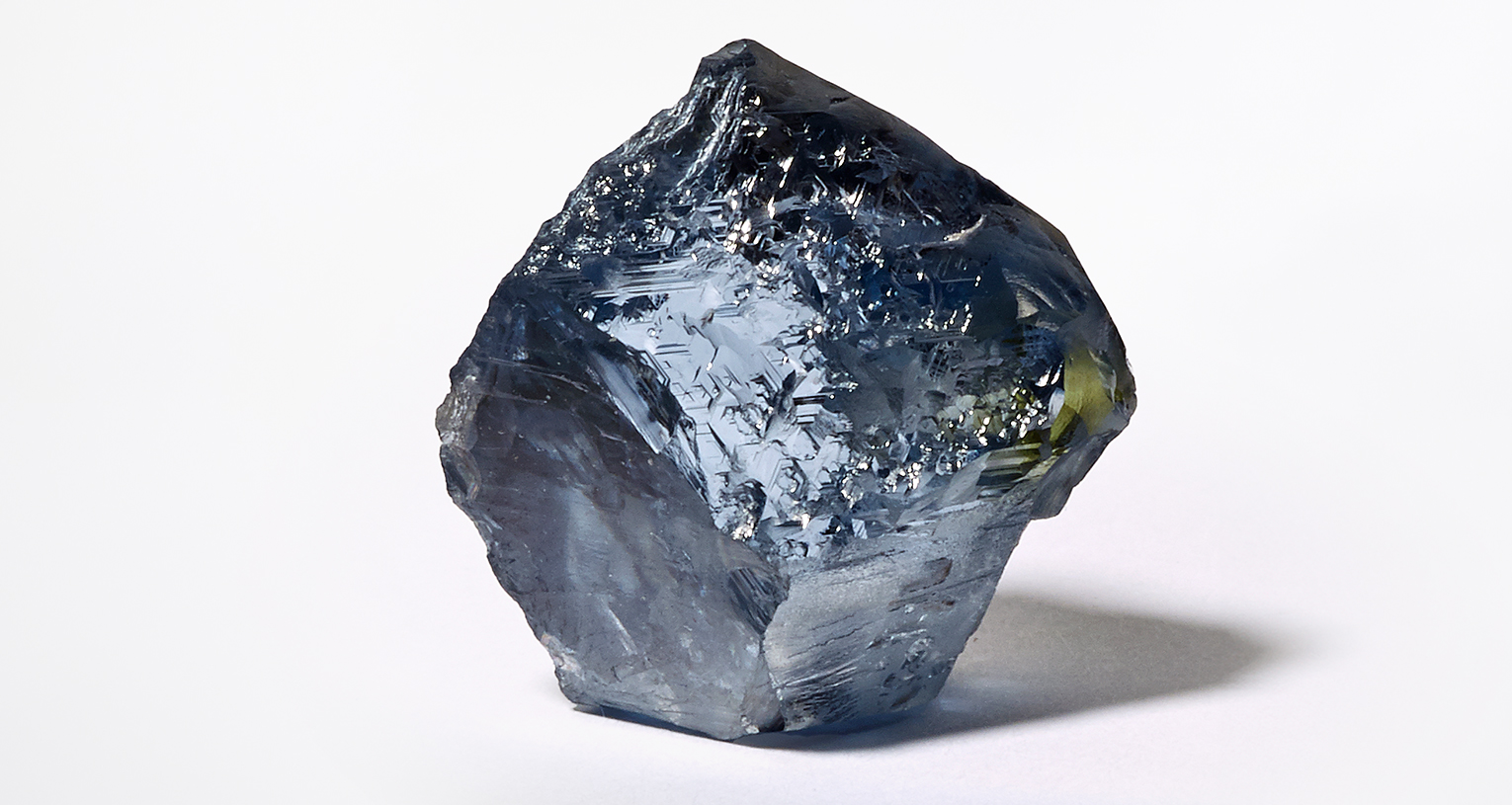
Billions of years ago, 100 miles (161 km) or more in the mantle of the earth, pressure, heat and carbon atoms converged, creating the first diamonds. Hidden for hundreds of millions of years, volcanic activity transported them to the earth’s surface in magma, forming kimberlite pipes in the process. As erosion freed some of the rough diamonds, they ended up in riverbeds and silt. Even into the 1800’s, the world’s diamonds were found and collected in the soil and gravel of riverbeds.
The discovery of a kimberlite pipe in South Africa in 1869 marks the beginning of the modern diamond era. With it came the development of mining operations producing tens of millions of carats of rough diamonds each year – that includes a major discovery in Botswana in 1967, as well as other areas of Africa, Australia, Brazil and the Northwest Territories of Canada.
However, the earth’s mantle isn’t the only source for diamonds. In 1954, General Electric began creating diamonds in a laboratory and the first gem-quality HPHT diamonds were grown in a laboratory in 1970, and first sold in 1984. Today, man-made diamonds have become more common and are more difficult to identify on your own without help from a reputable gemological lab
Understanding your origin story.
The geographic origin of a natural diamond cannot be determined through evaluation of a polished stone. Data must be collected at the time of extraction. At GIA, we use a proprietary process of scientific matching, comparing characteristics of polished stones to original rough stones to confirm the country of origin.
Expertise at your fingertips.
You don’t need to be a gemologist to purchase a diamond with confidence. You just need to know where to find one.
GIA is the trusted benchmark for diamond grading. Download the GIA App now to learn more about the 4Cs and look up GIA reports.