
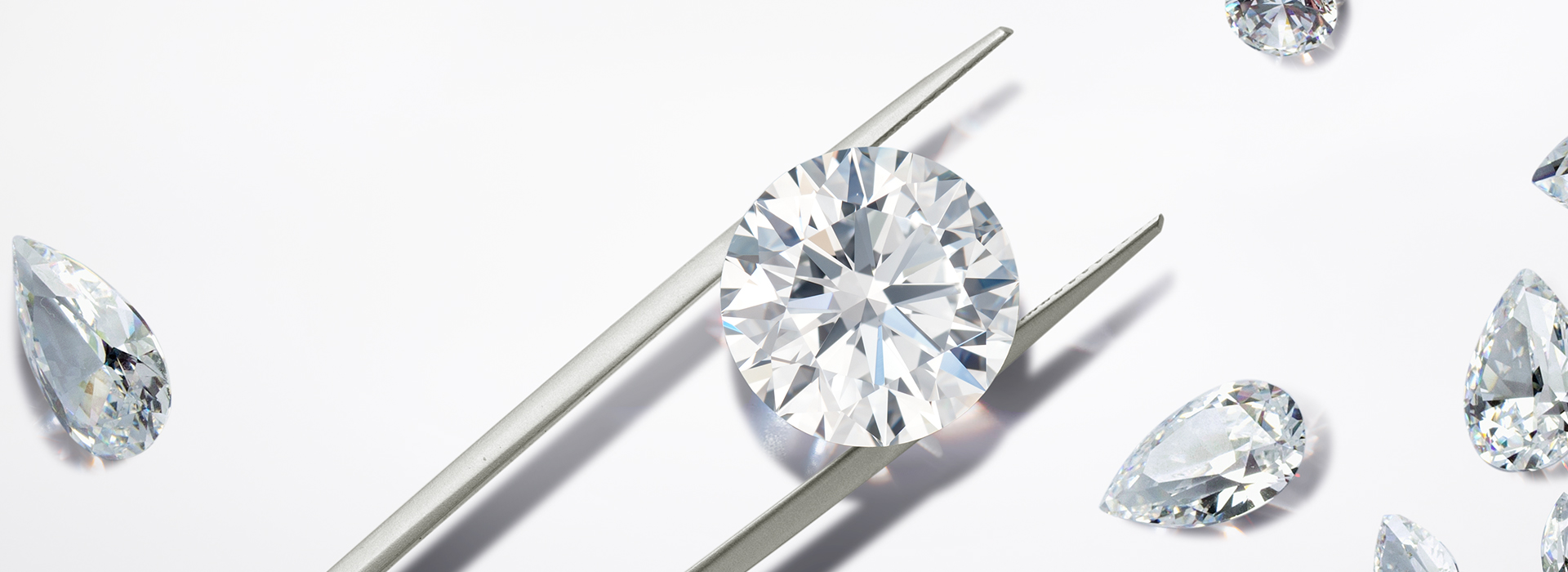
Why the 4Cs?
GIA’s diamond grading provides the consistent and unbiased results that the global diamond industry and diamond customers trust.
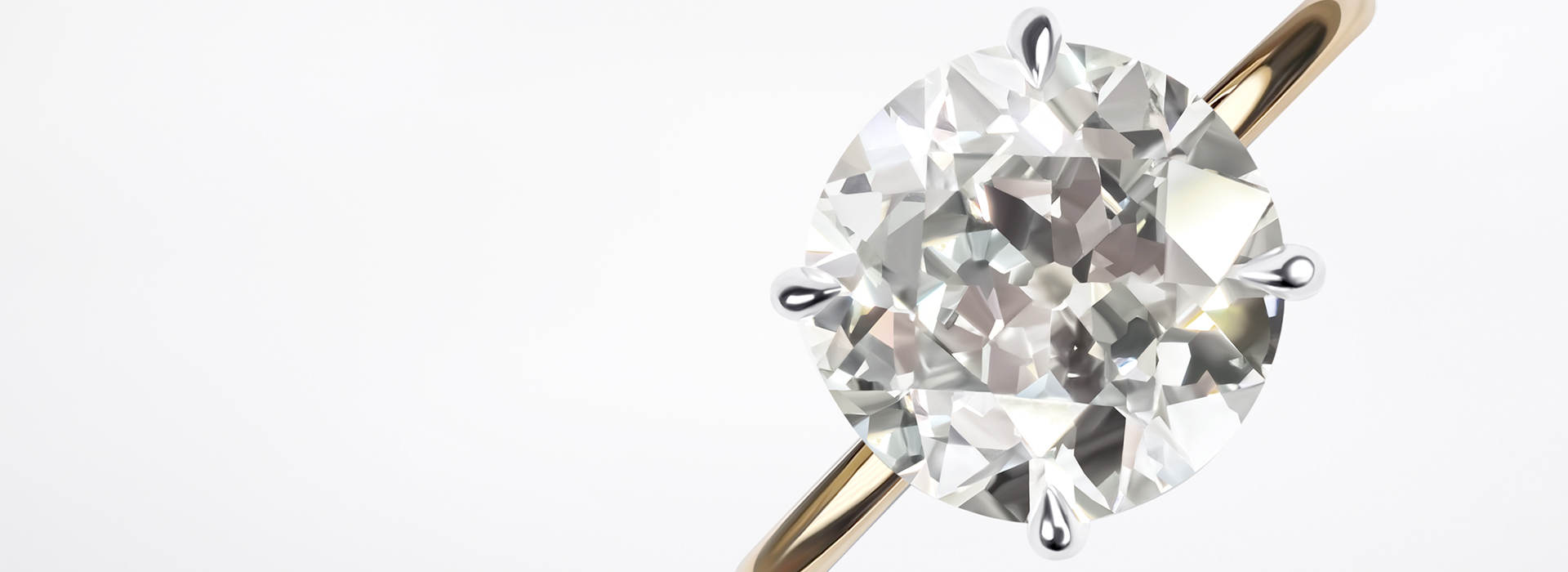
Diamond Color
When most people imagine a diamond, they picture one with little to no hue. Often when we talk about diamond color, we are actually talking about the absence of color.
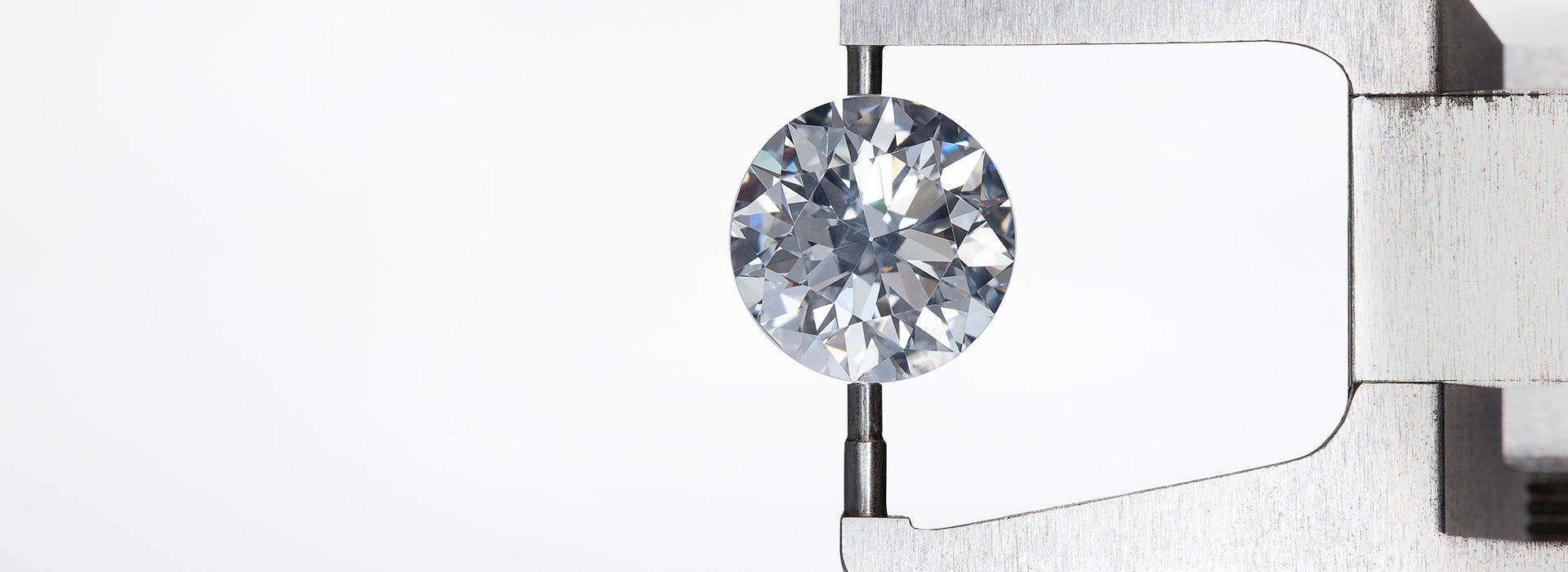
Diamond Clarity
Every diamond is unique. Formed by extreme heat and pressure deep within the earth, it isn’t uncommon for diamonds to contain birthmarks.
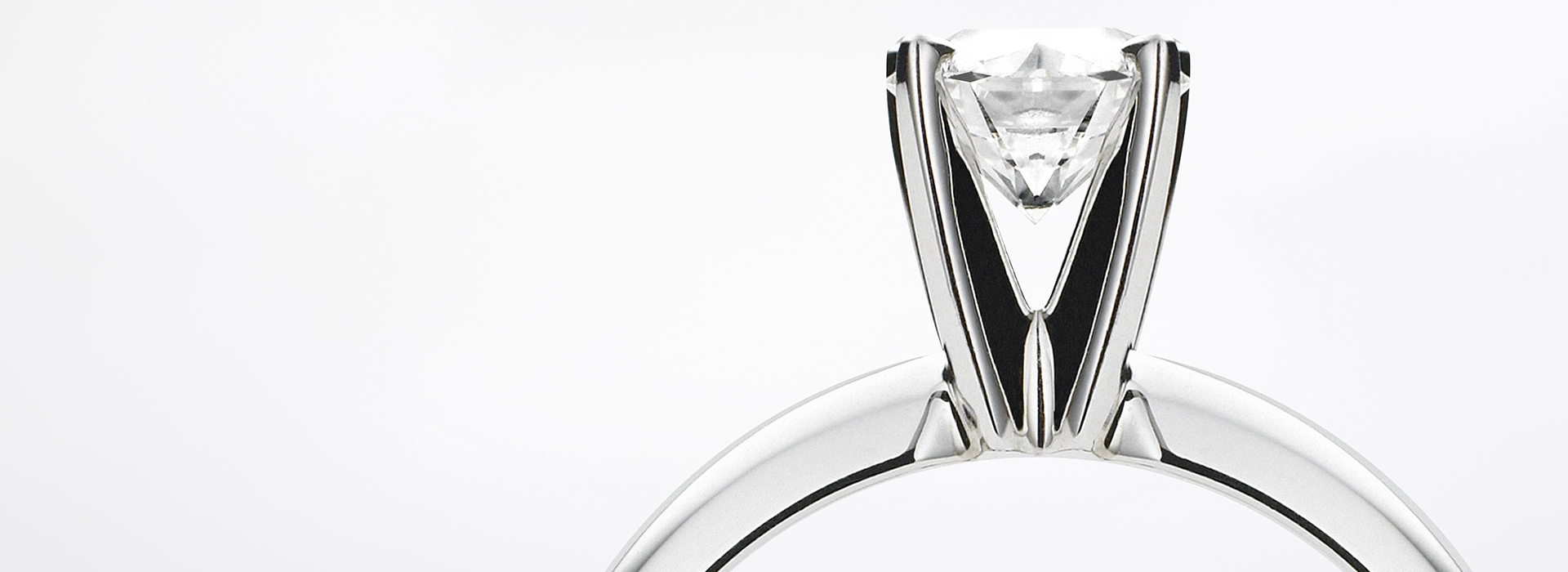
Diamond Carat Weight
Carat measures weight, not size. A metric carat is defined as 200 milligrams. Each carat is subdivided into 100 points, allowing for measurement to the hundredth decimal place.

Diamond Cut
When you hear words like Brightness, Scintillation and Fire, they describe how masterfully a diamond is cut.
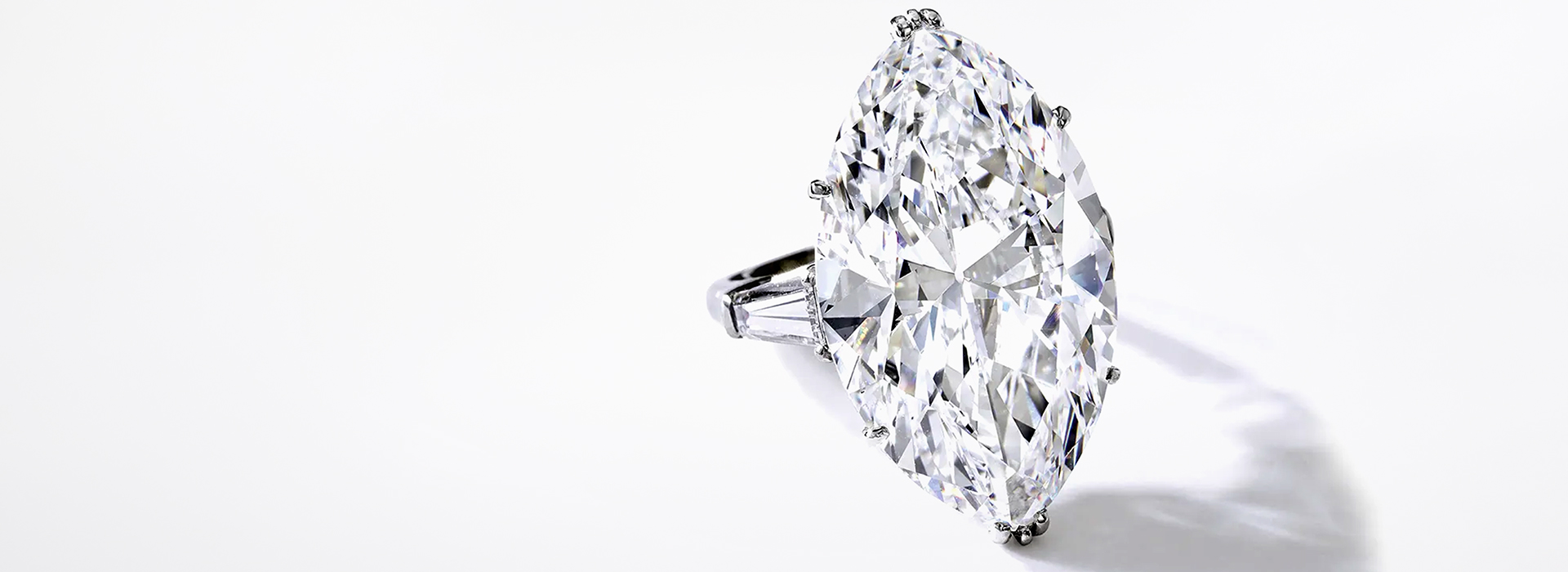
How To Buy A Diamond
Regardless of which diamond you choose, every purchase should start with accurate information.
Diamond Treatments
There are several ways that diamonds can be treated to enhance or remove their color and improve their clarity.
Diamond Origin
Billions of years ago, 100 miles (161 km) or more in the mantle of the earth, pressure, heat and carbon atoms converged, creating the first diamonds. Hidden for hundreds of millions of years, volcanic activity transported them to the earth’s surface in magma, forming kimberlite pipes in the process.
Simulants Moissanite And Lab Grown Diamonds
While simulants may flash and dazzle like a diamond, it is important to know that they are not diamonds. Common simulants are often created with glass, moissanite and cubic zirconia (CZ).
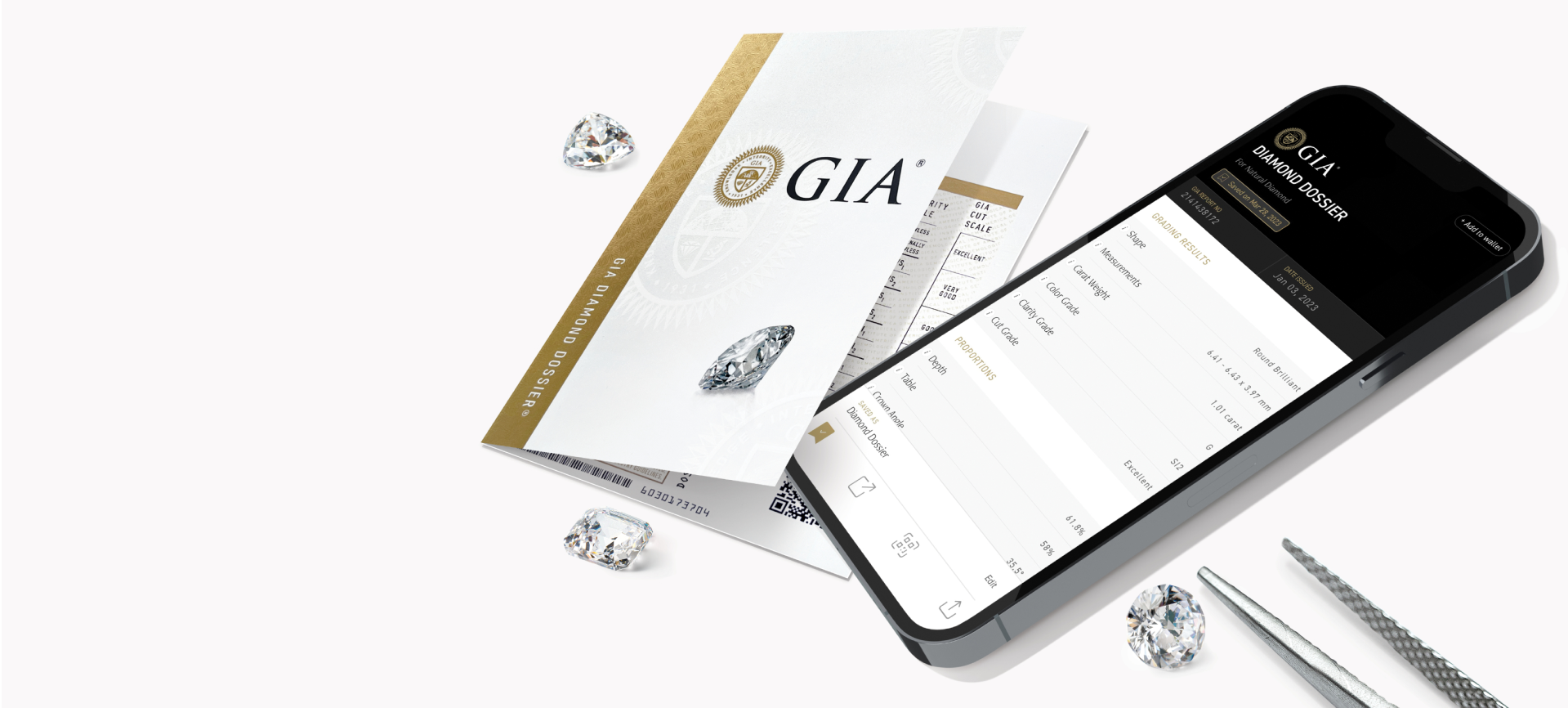
GIA Grading & Reports
However, every diamond evaluation is handled with the same care, expertise and strict guidelines. GIA offers the world’s most rigorous assessment of the 4Cs.
Types of GIA Reports
With nearly 100 years of research, education and experience, GIA is the authority on diamond, gemstone and pearl reports.